How to read a dog food label without a science degree
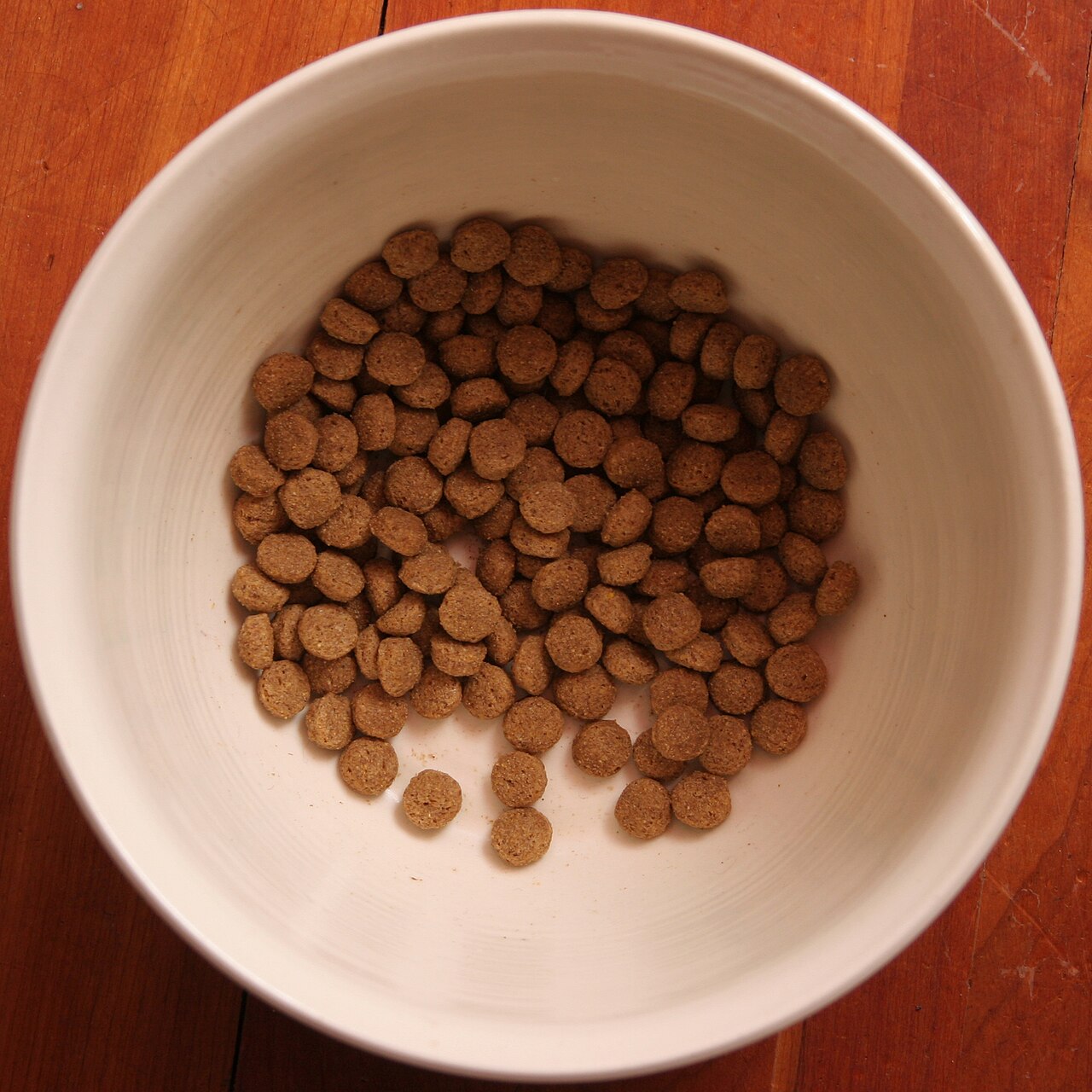
Dog food labels are deliberately confusing. Here are the four things worth looking at — and a short list of marketing words to ignore completely.
Standing in the pet food aisle for the first time is a uniquely overwhelming experience. There are forty bags in front of you, half of them claiming to be "natural," "grain-free," "ancestral," or "veterinarian recommended," and almost none of them make it easy to tell what's actually in the bag.
I am not a veterinarian or a canine nutritionist, and nothing here replaces your vet's advice for your specific dog. But after years of staring at these labels, here's a plain-English map of what matters and what doesn't.
The 4 lines that actually matter
1. The AAFCO statement (the most boring, most important line)
Somewhere in small print, every legitimate dog food has a line that says something like: "[Brand] is formulated to meet the nutritional levels established by the AAFCO Dog Food Nutrient Profiles for [life stage]."
AAFCO sets the baseline for what counts as complete and balanced. If a food doesn't have one of these statements, walk away — it hasn't been verified to actually meet a dog's nutritional needs.
Look for the life stage too: "all life stages" sounds generous but often means higher calories and nutrients aimed at growing puppies, which isn't ideal for an adult or senior dog. Match the stage to your dog.
2. The ingredient list, read with a grain of salt
Ingredients are listed by weight before processing, which is mostly water. That means "chicken" (70% water) will always rank above "chicken meal" (basically no water) even though the meal actually contains more protein per bite.
So: a named animal protein in the first few slots is a good sign. "Chicken," "salmon," "lamb" — you want to see something specific, not "meat by-product" or "animal digest." But don't panic at "meal." Chicken meal is a concentrated protein source and is perfectly normal in quality foods.
3. Guaranteed analysis (the rough numbers)
This shows minimum protein and fat, and maximum fiber and moisture. It's not precise enough to compare foods directly because of moisture differences, but big outliers are telling. A food with 8% fat minimum vs. one with 18% fat minimum will feel very different to your dog — and to your couch, if your dog is prone to weight gain.
4. The calorie statement
Usually listed as kcal per cup or per kg. This is the single most underused number on the bag. Two foods can look identical and differ by 100+ calories per cup. Overfeeding a dense food is one of the most common reasons dogs quietly gain weight. Know the number, and measure with an actual measuring cup, not a coffee mug.
The marketing words to ignore
None of these are regulated or meaningful on their own. They're there to make you feel good, not to tell you anything useful:
- "Human grade" — refers to the handling of ingredients, not the nutritional quality of the finished food.
- "Grain-free" — not automatically healthier, and the FDA has investigated a possible link between certain grain-free diets and a heart condition called DCM. Don't switch to grain-free without a real reason and your vet's input.
- "Natural" — a loose regulatory term; nearly every brand qualifies.
- "Premium," "gourmet," "artisanal" — pure marketing. No defined meaning whatsoever.
- "Veterinarian recommended" — sometimes meaningful, but the bar for this phrase is low and the claim isn't always vetted.
If a bag's front is mostly adjectives and the back hides the AAFCO statement in 6-point font, that tells you something about the company's priorities.
A 30-second label check
- Is there an AAFCO statement matching my dog's life stage?
- Is a named animal protein in the first 3 ingredients?
- Do the calories-per-cup fit my dog's needs?
- Does the brand employ a full-time veterinary nutritionist? (Check their website — WSAVA guidance.)
The brand question
The Global Nutrition Committee of the World Small Animal Veterinary Association (WSAVA) suggests asking whether a company employs a qualified nutritionist, owns its factories, and conducts peer-reviewed research. These are questions you can usually answer in two minutes on a brand's "About" page. Brands that tick these boxes tend to be more consistent and transparent than those that don't.
I'll name exactly one food here, and only as an example of what a readable label looks like — not as the answer for your dog. JustFoodForDogs makes fresh-cooked meals where the ingredient list is a recipe you could read aloud — chicken, rice, carrots, spinach — and the complete-and-balanced statement is printed where you can find it. That is the whole point of this article, done for you. The honest trade-off is that fresh food costs several times more per calorie than a good kibble, and for many dogs a good kibble is the right call. The right choice still depends on your dog's age, weight, sensitivities, and your budget, and your vet is the right person to help you narrow it down.
Disclosure: that's an affiliate link. If you buy through it I earn a small commission at no extra cost to you. It didn't change a word above — the food is here because its label passes the checklist, not because it pays. How affiliate links work on this site.
What I will say about every food: consistency and how your dog actually does on it matter more than the brand name on the bag. Shiny coat, firm stools, steady energy, healthy weight. That's the real report card.
When to talk to your vet
Switching foods, dealing with allergies, choosing for a puppy or senior, or managing a health condition — these are all good reasons to involve your vet rather than a search engine. Vets aren't perfect, but they've seen a lot more dogs than the average internet reviewer.
Reading labels feels intimidating until you know which four lines to look for. Once you do, ninety percent of the aisle stops being noise. The rest you can learn with your dog, one bag at a time.

John
Writes My Dog, My Life. Not a vet — a dog owner who got tired of guessing at the pet store. Always defer to your vet for food decisions specific to your dog. More about me →